Earthmoving Port Adelaide SA 5015
Industrial history, reclaimed ground and older services make investigation and spoil classification valuable.
Send My Site Details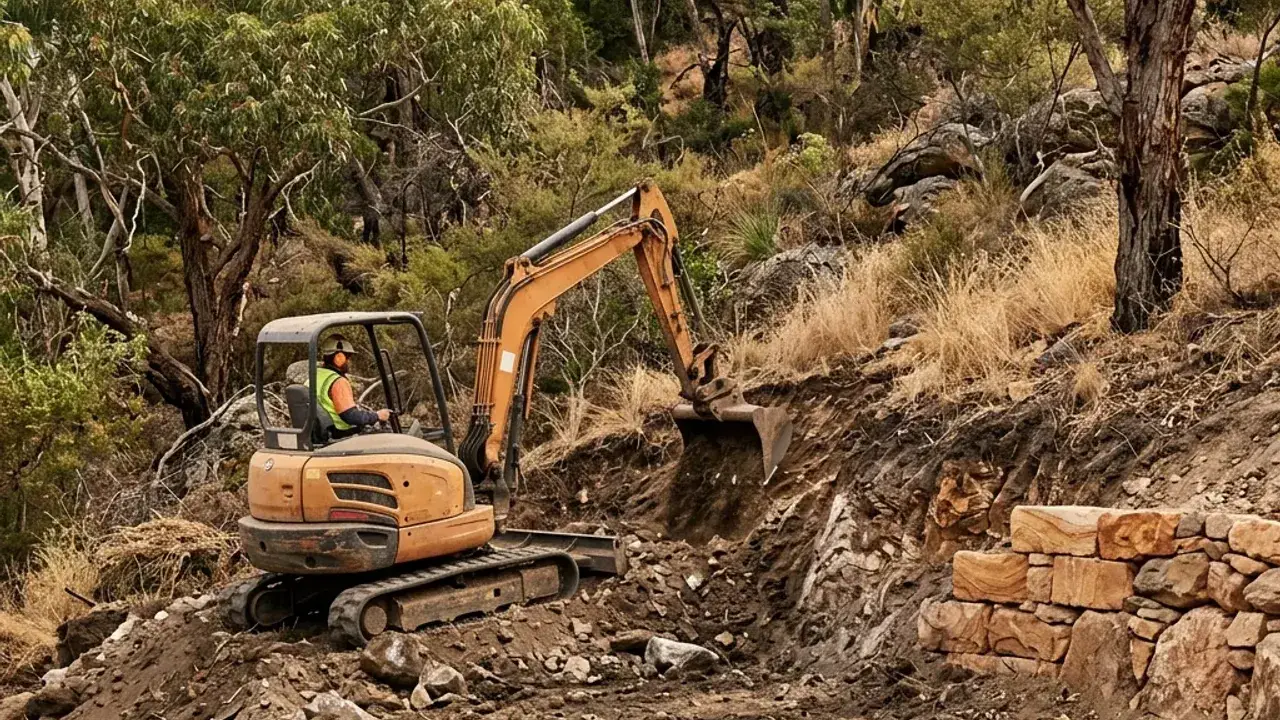
Earthmoving Adelaide service decisions in Port Adelaide
Preserve evidence about material as it is uncovered. Map the excavation and loading route, keep visibly different fill streams separate, and define when work stops for classification. Do not price all export as clean soil before site history and observed conditions support it. Services, old pavements and structures require protection. The quote lists excavation, testing responsibility, tip fees, transport and documentation independently. Completion includes a stable work zone plus a record of material retained or removed, giving the owner a clearer handoff than a truck-count total.
About Port Adelaide
Port Adelaide's industrial history means older services and variable fill can occur around Commercial Road, St Vincent Street and Port Road. Hart's Mill, the Port Adelaide Lighthouse and South Australian Maritime Museum sit within a mixed commercial and residential setting. Material classification and current service information are particularly valuable before spoil is loaded or taken off site.
Local excavation context for Port Adelaide
Describe observed fill, rubble or staining and avoid assuming material is clean simply because it looks like soil. Photograph the stockpile area, loading route and nearby services, then provide any available site history or investigation. Older industrial and mixed-use settings can make material classification and disposal documentation more important than a basic volume estimate. Ask the contractor to separate excavation from testing, classification, tip fees and transport. Where buildings, pavements or legacy services border the work, record protection requirements and the method for cautious exposure. Unexpected material needs a written stop-and-review process.
Keep photographs of each visibly different material stream and note where it was encountered. This supports a stop-and-review conversation if unexpected fill appears and avoids treating the whole load as one disposal class by default.
Earthmoving services available in Port Adelaide
Preparing a useful site brief
A Port Adelaide brief benefits from a simple material record. Photograph visibly different fill, rubble or staining where it occurs, map the stockpile and loading route, and provide available site history rather than calling everything clean soil. Around Commercial Road and older mixed-use sites, current service information and cautious exposure deserve separate scope lines. State when excavation pauses for classification and what disposal documentation the owner expects to retain. Include Port Adelaide Lighthouse, Hart's Mill, South Australian Maritime Museum when they help orient the site notes.
Recording the Port Adelaide handoff
A Port Adelaide completion file should keep material streams and disposal records clear, particularly where variable fill or rubble appeared. Photograph the excavated area, protected old services and truck loading route towards Commercial Road or Port Road. List material retained, material removed and any sample or classification still pending before another contractor treats the ground as ordinary clean fill.